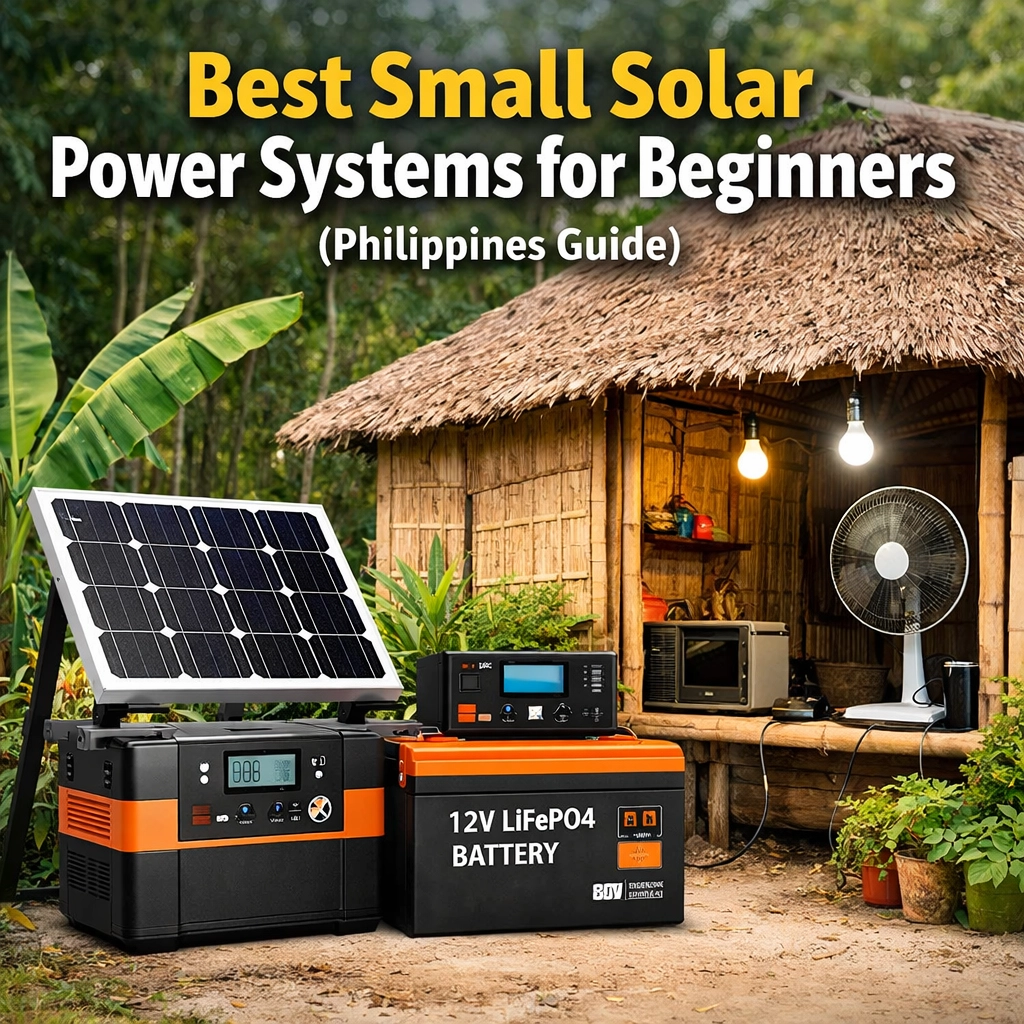
As electricity costs continue to rise and power interruptions remain common in some areas of the Philippines, many homeowners are exploring alternative energy solutions. One of the most practical options available today is installing a small solar power system for home use.
Small solar systems are ideal for beginners who want to start using solar energy without installing a large and expensive setup. These systems are designed to power essential appliances during brownouts while providing a reliable and environmentally friendly energy source.
In this guide, we will explore the best small solar power systems for beginners in the Philippines, how they work, and how to choose the right system for your needs.
What Is a Small Solar Power System?
A small solar power system is a compact energy system that generates electricity from sunlight and stores it in batteries for later use. These systems are often used as backup power during outages or as an introduction to solar energy for homeowners.
A typical small solar system includes the following components:
- solar panels
- solar charge controller
- battery storage
- inverter
- protection devices such as breakers or fuses
These components work together to convert sunlight into usable electricity.
The basic energy flow looks like this:
Solar Panel → Charge Controller → Battery → Inverter → Appliances
Because electricity is stored in batteries, power can still be used even when the sun is not shining.
Why Small Solar Systems Are Ideal for Beginners in the Philippines
Small solar power systems are becoming increasingly popular in the Philippines because they offer several advantages for households that want backup electricity.
Affordable Starting Point
Installing a full home solar system can be expensive. Small solar systems provide an affordable way to start using solar energy without a large investment.
Many beginners prefer starting with a small system and expanding it later as their energy needs grow.
Perfect for Brownout Backup
Power outages can happen due to storms, electrical maintenance, or grid issues. Small solar systems can provide backup electricity during these brownouts.
They are commonly used to power:
- LED lights
- electric fans
- mobile phones
- WiFi routers
- small televisions
This allows families to maintain basic comfort and communication during power interruptions.
Easy to Install
Small solar power systems are easier to install compared to large solar installations. Many beginner setups require only a few components and basic wiring.
Some systems are even available as ready-made solar units, which means homeowners can start using solar power without complex installation.
Typical Small Solar System Setup for Beginners
A beginner solar setup usually includes the following components.
Solar Panel
Solar panels capture sunlight and convert it into electricity. For small solar systems, panels commonly range between 100W to 400W.
Solar Charge Controller
The charge controller regulates the energy flowing from the solar panels to the battery. This prevents overcharging and protects the battery system.
Battery Storage
The battery stores energy generated during the day so it can be used later.
Many modern systems use LiFePO4 batteries because they offer:
- longer lifespan
- higher efficiency
- better safety compared to lead-acid batteries
Power Inverter
The inverter converts DC electricity stored in the battery into AC electricity used by household appliances.
Common inverter sizes for beginner systems include:
- 500W inverter
- 800W inverter
- 1000W inverter
Example Beginner Solar Setup
A typical small solar power system for beginners might include:
- 300W solar panel
- 12V LiFePO4 battery
- 800W inverter
- MPPT solar charge controller
This type of setup can power several essential appliances such as:
- lights
- electric fan
- phone chargers
- WiFi router
It is ideal for households that want reliable backup electricity during brownouts.
If you prefer a ready-made solar solution, you can explore available solar units designed for beginner setups and home backup.
👉 Browse Small Solar Power Systems
These solar units are designed for easy installation and reliable backup electricity.
Benefits of Small Solar Power Systems
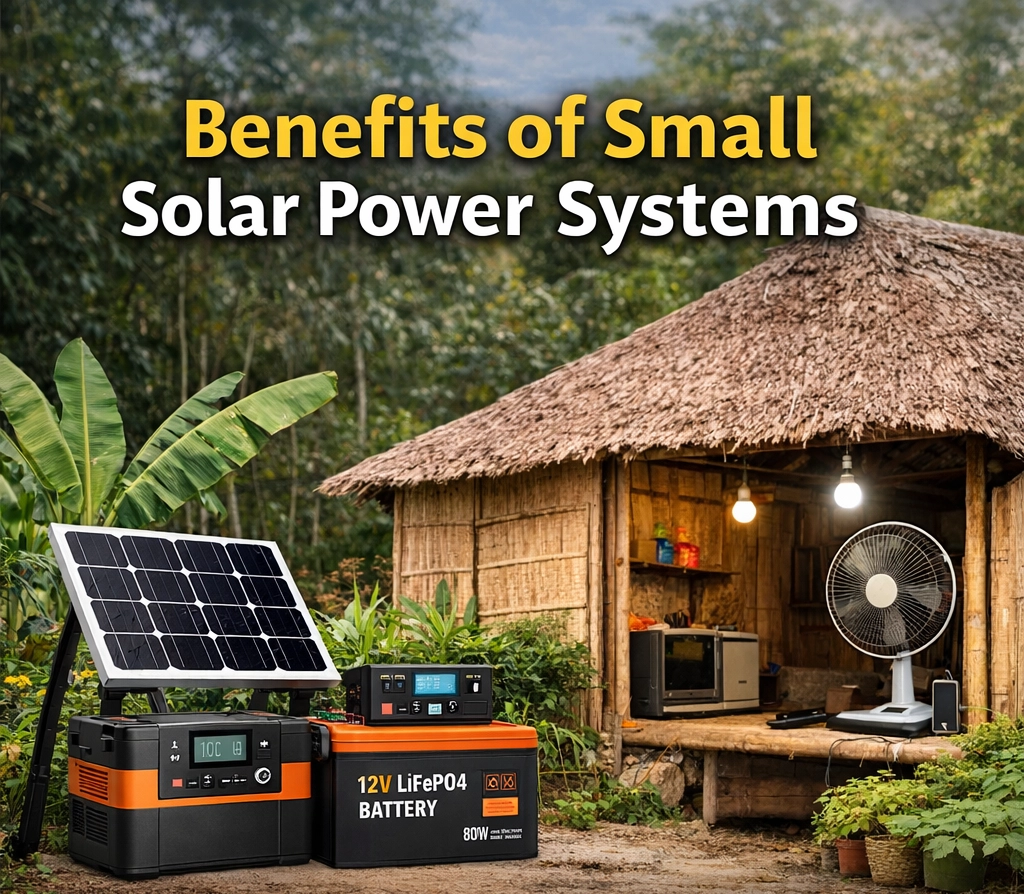
Small solar power systems offer many advantages for homeowners in the Philippines, especially for those who want a reliable backup power solution without installing a large and expensive solar setup. These systems are practical, affordable, and ideal for beginners who want to start using solar energy at home.
Below are some of the key benefits of installing a small solar power system.
Reliable Backup Electricity
One of the biggest benefits of small solar systems is their ability to provide electricity during brownouts or power interruptions.
In many areas of the Philippines, power outages can occur due to storms, electrical maintenance, or power grid issues. A small solar power system with battery storage allows households to continue using essential appliances even when the main power grid is unavailable.
These systems can power basic devices such as:
- LED lights
- electric fans
- mobile phones
- WiFi routers
- small televisions
Having a backup power system helps families stay comfortable and connected during unexpected outages.
Lower Electricity Costs
Another advantage of small solar systems is their potential to reduce electricity expenses. By generating power from sunlight, homeowners can reduce their reliance on utility electricity.
Solar panels capture energy from the sun during the day and store it in batteries for later use. This stored energy can be used instead of drawing electricity from the grid, which can help reduce monthly electricity bills.
In addition, solar power systems can reduce the need to use fuel generators during outages, saving money on gasoline or diesel over time.
Eco-Friendly Energy
Solar power is a clean and renewable energy source. Unlike generators that burn fossil fuels, solar systems generate electricity without producing pollution or harmful emissions.
Using solar energy helps reduce carbon emissions and supports a more sustainable energy future. Because the Philippines receives abundant sunlight throughout most of the year, solar power is one of the most practical renewable energy solutions for households across the country.
Expandable System
One of the best features of small solar systems is that they are expandable. Many systems allow homeowners to increase capacity later by adding more solar panels or batteries.
For example, homeowners may start with a small solar setup designed to power lights and fans. As their energy needs grow, they can upgrade the system by installing additional solar panels or increasing battery storage capacity.
This flexibility allows homeowners to gradually upgrade their system without replacing the entire setup.
Easy Installation for Beginners
Small solar systems are also ideal for beginners because they are relatively easy to install and operate. Compared to large residential solar installations, small systems require fewer components and simpler wiring.
Many homeowners choose ready-made solar power systems that already include the battery, inverter, and charge controller in one unit. This makes installation easier and reduces the complexity of building a solar system from scratch.
If you’re looking for beginner-friendly solar power systems designed for home backup and off-grid use in the Philippines, you can explore available solar units here:
👉 Browse Small Solar Power Systems
These solar power systems are designed for easy installation and reliable backup electricity during brownouts.
Tips for Choosing the Right Small Solar System
Before purchasing a solar system, it is important to carefully evaluate your household energy needs and the type of appliances you plan to power. Choosing the right components ensures your solar setup will operate efficiently and provide reliable electricity during brownouts or power interruptions in the Philippines.
Below are several important factors to consider when selecting a small solar power system.
Calculate Your Energy Needs
Start by listing the appliances you want to power using your solar system. This will help you estimate how much electricity your system needs to generate and store each day.
Common appliances used in small solar setups include:
- LED lights
- electric fans
- phone chargers
- WiFi routers
- televisions
- laptops
Once you know the wattage of each appliance and how long it will run daily, you can estimate your total daily energy consumption. This information helps you determine the correct size of solar panels, battery capacity, and inverter for your system.
Choose the Right Battery Capacity
Battery capacity determines how much energy your solar system can store and how long it can power appliances when the sun is not shining.
Higher battery capacity means:
- longer backup power during brownouts
- ability to power more appliances
- more stored energy for nighttime use
For beginners, many small solar systems use 12V lithium batteries such as LiFePO4, which offer longer lifespan and better efficiency compared to traditional lead-acid batteries.
Choosing the right battery size ensures your solar system can support your energy needs without draining too quickly.
Select a Compatible Inverter
The inverter is responsible for converting DC electricity stored in the battery into AC electricity used by household appliances.
It is important to choose an inverter that can support the total wattage of all appliances you plan to run simultaneously.
Common inverter sizes used in beginner solar systems include:
- 500W inverter
- 800W inverter
- 1000W inverter
Selecting the correct inverter helps prevent overload and ensures stable power output.
Plan for Future Expansion
Another important consideration is choosing a solar system that allows expansion in the future. As your energy needs grow, you may want to add additional solar panels or increase battery capacity.
Expandable solar systems allow homeowners to upgrade gradually without replacing the entire setup. For example, you can add more solar panels to increase charging speed or install additional batteries for longer backup power.
This flexibility makes small solar systems ideal for beginners who want to start with a simple setup and expand later as needed.
If you prefer a simpler option instead of building a solar setup from individual components, you can explore ready-made solar power systems designed for beginner users and home backup.
👉 Browse Small Solar Power Systems
These solar units are designed for easy installation and reliable backup electricity during brownouts in the Philippines.
Common Beginner Mistakes When Installing Solar Systems
Installing a solar power system for the first time can be exciting, but many beginners make simple mistakes that can affect the performance and reliability of their setup. Understanding these common issues can help homeowners avoid costly problems and ensure their solar system operates safely and efficiently.
Below are some of the most common beginner mistakes when installing solar systems, especially for small home setups in the Philippines.
Incorrect System Sizing
One of the most common mistakes is installing a solar system that is too small for the household’s energy needs.
If the solar panels and battery capacity are not large enough, the system may not generate or store enough electricity to power your appliances. This can cause batteries to drain quickly, especially during nighttime or cloudy weather.
To avoid this problem, always calculate your daily energy consumption before designing your solar setup. Make sure the solar panels, battery capacity, and inverter are properly sized to support the appliances you plan to use.
A well-sized system ensures reliable power and helps prevent frequent power shortages.
Using Low-Quality Components
Another common mistake is purchasing very cheap solar components to reduce costs. While this may seem like a good idea initially, low-quality equipment can lead to poor system performance and shorter lifespan.
Cheap solar panels, batteries, and charge controllers may:
- reduce charging efficiency
- overheat during operation
- damage the battery over time
Investing in reliable components helps ensure your solar system operates efficiently and lasts longer.
Poor Wiring Design
Proper wiring is essential for safe and efficient solar installations. Using cables that are too small for the system load can cause overheating, voltage drops, and energy loss.
Poor wiring may also create safety hazards and reduce the overall efficiency of the solar system.
To prevent wiring problems:
- use the correct cable size for the current load
- keep cable runs as short as possible
- ensure all connections are secure
Correct wiring improves system performance and ensures safe operation.
Lack of Protection Devices
Many beginner solar setups fail to include proper protection devices. Safety components are important because they protect the system from electrical faults and equipment damage.
Essential protection devices include:
- DC circuit breakers
- battery fuses
- disconnect switches
- surge protection
These devices help protect solar panels, batteries, and inverters from overloads and short circuits.
Installing proper safety protection ensures the system remains safe and easier to maintain.
Poor Solar Panel Placement
Another mistake beginners often make is installing solar panels in areas with partial shade or poor sunlight exposure.
Solar panels work best when they receive direct sunlight for most of the day. Shade from trees, buildings, or other obstacles can significantly reduce solar energy production.
For best results:
- place solar panels in open areas with direct sunlight
- avoid shading during peak sunlight hours
- position panels at an optimal tilt angle
Proper placement ensures maximum solar energy production.
If you prefer a simpler option instead of building your solar system from separate components, you can also explore ready-made solar power systems designed for beginner setups.
👉 Browse Small Solar Power Systems
These solar units are designed for easy installation and reliable backup electricity during brownouts in the Philippines.
Frequently Asked Questions (FAQ) – Best Small Solar Power Systems for Beginners
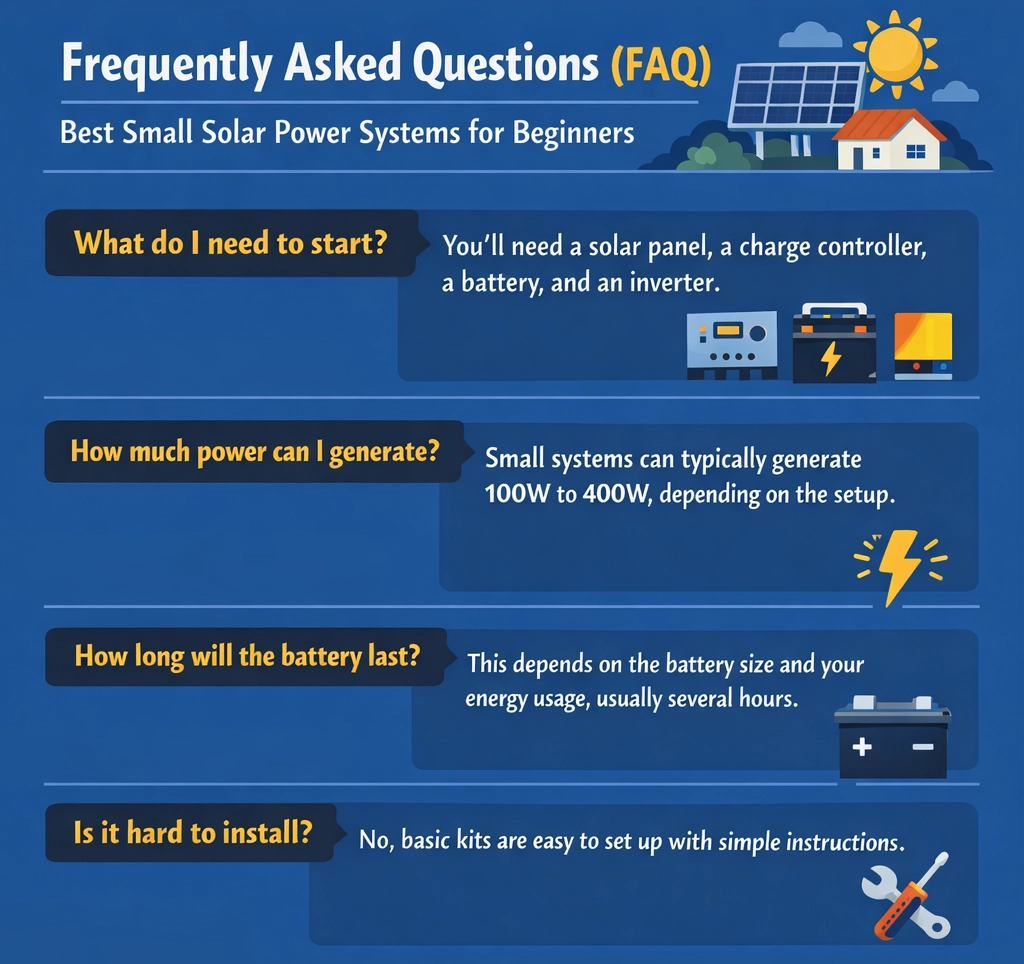
What appliances can a small solar system run?
Small solar systems can power basic appliances such as LED lights, electric fans, phone chargers, WiFi routers, and small televisions.
Are small solar systems good for homes in the Philippines?
Yes. Small solar systems are ideal for Filipino homes because they provide reliable backup electricity during brownouts while taking advantage of the country’s abundant sunlight.
How long do solar batteries last?
Lithium batteries such as LiFePO4 typically last 8 to 15 years, depending on usage and charging conditions.
Can small solar systems be expanded later?
Yes. Many solar systems allow users to add additional solar panels or batteries to increase capacity.
Where can I buy small solar power systems in the Philippines?
You can explore available solar power systems designed for beginners and home backup setups here:
👉 Shop Now
These solar units are designed for easy installation and reliable backup electricity.
Final Thoughts
Small solar power systems are an excellent starting point for homeowners in the Philippines who want to begin using solar energy. They provide reliable backup electricity during brownouts while offering a practical and affordable entry into renewable energy.
By choosing the right components and system size, beginners can enjoy the benefits of solar power while gradually expanding their setup in the future.
Solar energy is not only a smart investment for energy security but also a step toward a cleaner and more sustainable future.